

Navigating the path to recovery from gambling addiction a transformative journey
Understanding Gambling Addiction
Gambling addiction, also known as compulsive gambling, manifests as an uncontrollable urge to gamble despite negative consequences. It often originates from a combination of psychological, emotional, and social factors. Individuals may start gambling as a form of entertainment or to escape from stress, but over time, it can morph into a deep-seated issue that affects not only the gambler but their loved ones as well. Recognizing the signs of gambling addiction is the first crucial step towards recovery. If you are interested in exploring a safe gaming environment, 9au Casino offers a variety of options.
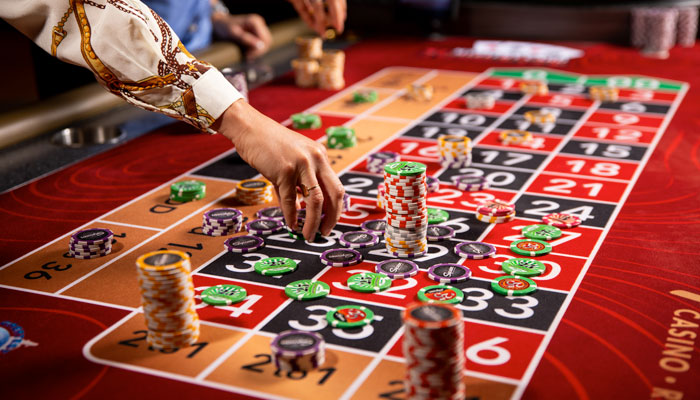
The psychological aspect of gambling addiction is complex. Many individuals experience a sense of euphoria during gambling, triggering the brain’s reward system in a manner similar to substance abuse. This creates a cycle where the individual feels compelled to chase losses or relive the highs associated with previous wins. As the cycle continues, the emotional toll increases, leading to feelings of guilt, anxiety, and depression. Understanding these psychological triggers is essential for anyone seeking to break free from this cycle.
Moreover, gambling addiction can often co-occur with other mental health issues, such as anxiety disorders or depression. This co-morbidity complicates the recovery process, making it critical for individuals to seek comprehensive treatment plans that address both gambling addiction and any underlying psychological issues. Being aware of the psychological dimensions of gambling addiction is vital for effective intervention and treatment.
The Importance of Support Networks
Building a support network is fundamental in the recovery journey from gambling addiction. Friends and family can play a pivotal role by providing emotional support, understanding, and motivation to stay on track. Open conversations about the struggles associated with gambling can reduce feelings of isolation and shame. It is essential for individuals in recovery to communicate their feelings, goals, and setbacks openly with their support network, fostering a healthier environment for healing.
Support groups, such as Gamblers Anonymous, offer a structured environment where individuals can share their experiences, challenges, and victories. These groups provide a safe space for discussions, where members can learn from one another and celebrate small milestones together. Hearing stories from others who have faced similar battles can instill hope and inspire commitment to recovery.
Additionally, professional support from therapists or counselors who specialize in gambling addiction can be beneficial. These professionals can offer tailored strategies to cope with triggers and help individuals understand the psychological aspects of their addiction. A multi-faceted approach that includes peer support, professional help, and personal commitment can significantly enhance the chances of a successful recovery.
Developing Coping Strategies
Creating effective coping strategies is vital for individuals recovering from gambling addiction. This involves developing new skills to manage stress, anxiety, and cravings. One effective strategy is mindfulness, which encourages individuals to focus on the present moment and observe their thoughts and feelings without judgment. Mindfulness can help reduce urges to gamble and improve emotional regulation, offering a powerful tool in the recovery arsenal.
Another essential coping strategy is establishing healthy routines. Engaging in activities that promote physical and mental well-being, such as exercise, hobbies, or volunteering, can help fill the void that gambling once occupied. Finding joy in alternative activities can mitigate feelings of boredom or restlessness that may trigger cravings. Over time, these routines can establish a sense of normalcy and fulfillment in life outside of gambling.
Lastly, setting realistic goals and creating a structured plan for recovery can provide direction and a sense of purpose. This might include financial planning, setting limits on discretionary spending, and finding new sources of entertainment that do not involve gambling. By breaking down the recovery process into manageable steps, individuals can maintain focus on their journey and acknowledge their progress along the way.
Challenges in the Recovery Process
The road to recovery from gambling addiction is fraught with challenges. One of the most significant hurdles is the temptation to return to gambling, especially during stressful life events or moments of self-doubt. It is essential for individuals in recovery to recognize these triggers and have a plan to manage them effectively. This awareness can prevent relapses and reinforce the commitment to a healthier lifestyle.
Additionally, societal pressures and the normalization of gambling can make recovery even more difficult. In many cultures, gambling is often seen as a form of entertainment, making it challenging for recovering individuals to navigate social situations. It is crucial for those in recovery to communicate their boundaries and seek environments that support their journey, rather than tempt them to revert to old behaviors.
Finally, the emotional scars left by gambling addiction can complicate relationships with family and friends. Trust may be eroded due to past behaviors, leading to feelings of guilt and shame. Rebuilding trust requires time, patience, and consistent effort. Open and honest communication can help mend these relationships, allowing recovering individuals to receive the love and support necessary for their transformative journey.

Resources for Recovery
For those seeking help with gambling addiction, numerous resources are available. Support groups, both in-person and online, offer a community of individuals experiencing similar challenges. These platforms foster shared experiences and provide valuable insights, making individuals feel less alone in their struggle. The sense of camaraderie can be incredibly uplifting and motivating for those on the path to recovery.
Furthermore, numerous helplines and counseling services specialize in gambling addiction. These resources can connect individuals with professional help and provide immediate support when needed. Many organizations offer free or low-cost services, ensuring that help is accessible to everyone, regardless of financial circumstances.
Finally, educational materials and literature focused on gambling addiction can be beneficial. Understanding the nature of the addiction, its psychological underpinnings, and recovery strategies can empower individuals to take charge of their journey. Knowledge is a powerful tool that can help demystify the process and reinforce the belief that recovery is attainable.